
Reverse breathing is a dysfunctional breathing pattern where the abdomen pulls inward during inhalation and pushes outward during exhalation—the opposite of natural diaphragmatic breathing.
Many people are unaware they breathe this way because it often develops gradually, especially during prolonged stress, anxiety, chronic pain, or trauma. Over time, the body “forgets” its natural breathing rhythm.
Why Does Reverse Breathing Happen?
Reverse breathing is commonly associated with:
- Chronic stress or anxiety
- Constant tension in the abdominal muscles
- Poor posture or prolonged sitting
- Past illness, surgery, or pain patterns
- Habitual breath-holding
When the nervous system stays in survival mode, the diaphragm becomes restricted, and breathing shifts upward into the chest.
How Reverse Breathing Affects the Body
This pattern can quietly strain the system and may lead to:
- Persistent fatigue
- Shortness of breath
- Tightness in the chest or throat
- Digestive discomfort
- Heightened anxiety or panic sensations
- Poor oxygen exchange
The body remains in a state of alertness rather than relaxation and healing.
How to Check if You’re Reverse Breathing
A simple awareness test:
- Place one hand on your chest and one on your abdomen
- Inhale gently through your nose
- Notice what moves
If your abdomen pulls in or stays rigid while inhaling, you may be practicing reverse breathing.
Remember—this is not a diagnosis, only an observation.
A Simple Method to Correct Reverse Breathing
Correction begins with gentle retraining, not force.
Step-by-Step Practice:
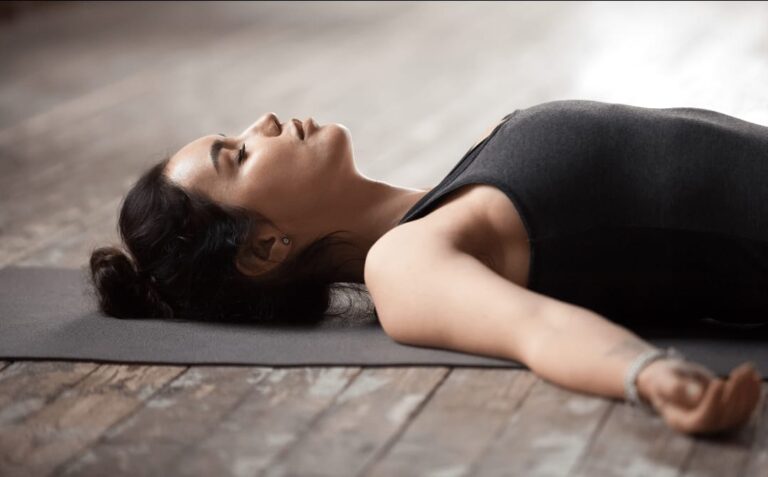
- Sit or lie down comfortably
- Place both hands on your lower abdomen
- Inhale slowly through the nose
- Allow the belly to soften and expand
- Imagine the breath moving downward
- Exhale slowly through the nose
- Let the abdomen naturally fall inward.(Do not push or tighten)
- Keep the breath slow, quiet, and relaxed
Practice for 5 minutes, once or twice daily.
Initially, the movement may feel unfamiliar—that’s normal.
Important Guidelines
- Do not force the abdomen outward
- Keep the chest, shoulders, and jaw relaxed
- Focus on softness rather than control
- Progress gradually
The goal is to restore the body’s natural rhythm, not to “fix” it aggressively.
Supporting Habits That Help
To reinforce healthy breathing patterns:
- Practice nasal breathing
- Improve posture, especially spinal alignment
- Take short breathing pauses during the day
- Reduce habitual abdominal gripping
- Spend time in relaxed, mindful states
When to Be Patient With Yourself
Reverse breathing often reflects long-standing stress patterns. It corrects best with kindness, consistency, and safety signals to the nervous system.
Healing breathing is less about effort and more about allowing the body to remember.
Disclaimer:
The information provided in this blog is for educational purposes only and does not constitute medical advice. Breathing techniques may not be suitable for everyone. If you are pregnant, have respiratory or cardiovascular conditions, or are under medical care, please consult your healthcare provider before practicing any breathing exercises.