
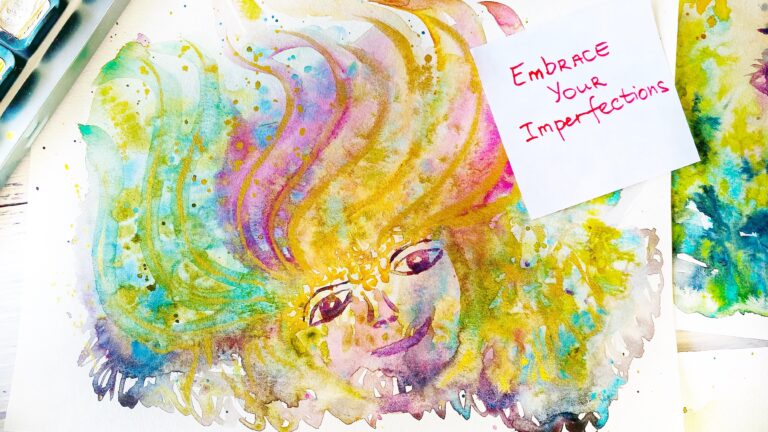
In today’s fast-moving world, the idea of perfection quietly shapes how we think, act, and even judge ourselves. Perfect bodies. Perfect careers. Perfect relationships. Perfect lives. But at Zaya Wellness, we believe it’s time to pause and ask a deeper question — What does perfection truly mean?
Is it flawlessness? Or is it something far more human?
What Is Perfection, Really?
Perfection is often described as a state without flaws. A finished masterpiece. A complete and ideal form. Yet, when we look at nature, we see something different.
The ocean waves are never identical.
The moon has marks and shadows.
Trees grow in unique, uneven shapes.
And still, we call them beautiful.
Perhaps perfection is not about being flawless. Perhaps it is about being authentic.
The Pressure of Being Perfect
In modern society, perfection has become a silent burden. Social media shows filtered realities. Productivity culture glorifies constant achievement. We begin to believe that anything less than perfect is failure.
This pressure can affect our:
- Mental health
- Self-esteem
- Relationships
- Inner peace
At Zaya Wellness, we often meet individuals who feel exhausted by chasing an ideal that constantly shifts. The truth is, perfectionism can disconnect us from joy. When we focus only on what is missing, we forget to appreciate what is present.
The Philosophy of Imperfection
Philosophically speaking, perfection may not lie in flawless outcomes but in complete acceptance.
A cracked pot still carries water.
A scar tells a story of healing.
A mistake becomes wisdom.
Imperfections are not weaknesses. They are signs of growth.
When we accept our flaws, we create space for self-compassion. And self-compassion is one of the strongest foundations of emotional wellness.
Perfection vs. Progress
There is a powerful difference between striving for excellence and demanding perfection.
- Excellence encourages growth.
- Perfectionism demands impossibility.
Excellence says, “Do your best.”
Perfectionism says, “Your best is never enough.”
At Zaya Wellness, we encourage progress over perfection. Healing is not linear. Growth is not symmetrical. Life is not a straight line — and that is what makes it meaningful.
The Beauty of Being Whole
True perfection may actually mean wholeness.
Wholeness includes:
- Strength and vulnerability
- Confidence and doubt
- Success and failure
When we allow ourselves to be fully human, we experience deeper freedom. We stop performing and start living.
Perfection is not a destination. It is not a flawless image. It is a quiet acceptance of who we are in this moment.
How to Release the Need for Perfection
If you often feel trapped by perfectionism, here are gentle practices we recommend at Zaya Wellness:
- Practice Self-Awareness – Notice when your inner critic becomes too loud.
- Redefine Success – Focus on effort, not just results.
- Allow Mistakes – Growth always includes learning.
- Celebrate Small Wins – Progress deserves recognition.
- Practice Mindfulness – Stay present instead of chasing an ideal future.
Final Thoughts: Perfection Is a Myth, Presence Is Power
Perfection, as society defines it, may always remain out of reach. But peace, growth, and self-acceptance are within our grasp.
At Zaya Wellness, we believe that true wellness begins when we stop trying to be perfect and start choosing to be present. You are not a project to fix. You are a journey to experience.
And perhaps, in that acceptance, lies the most beautiful form of perfection.